System Performance
Why Alaska Solar Savings Swing So Much by Season: What High-Latitude Production Means for Your Utility Bill
An annual production estimate cannot tell you what a January bill will look like. Seasonal output, household usage and your utility's credit rules all affect the result.
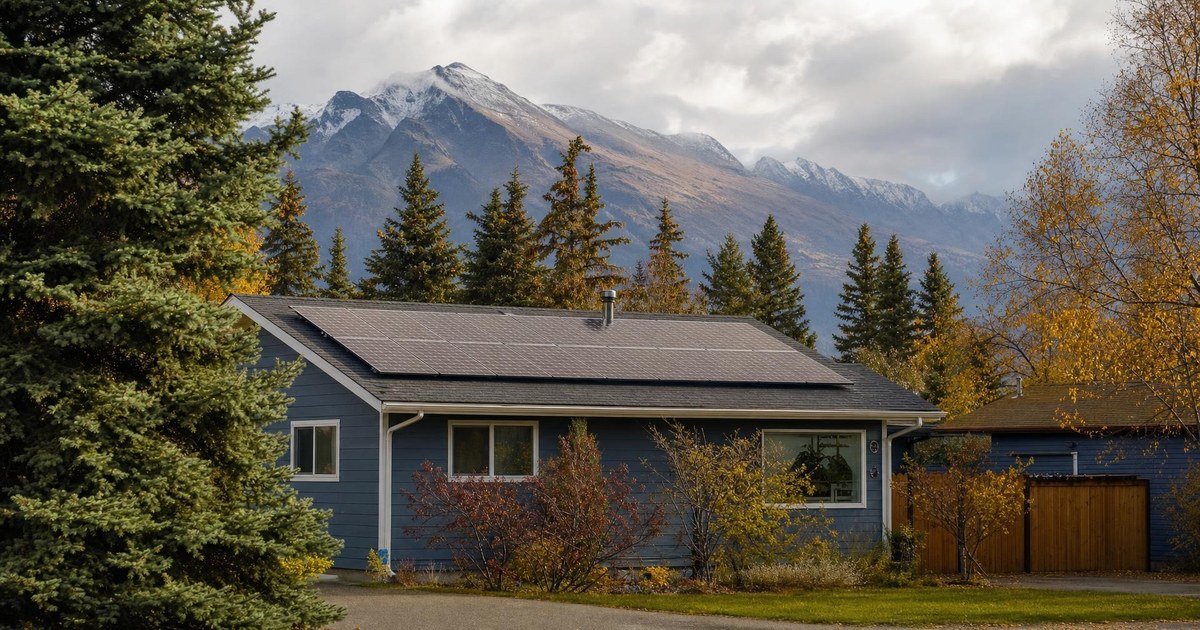
A summer of strong solar production can make an Alaska homeowner's first winter bill feel like a broken promise. The panels may be producing far less while the solar payment continues. Before concluding that the system failed, separate three questions: what it generated, what the household used and how the utility valued the difference.
This article addresses Alaska's seasonal production pattern and uses Chugach Electric Association as a specific billing example. Chugach's terms should not be applied to another utility or an off-grid home.
An annual estimate is not a monthly budget
The University of Alaska Fairbanks explains that high latitude limits winter solar energy, while spring and fall can bring favorable combinations of sunlight, cool temperatures and reflective snow. Coastal cloud conditions and Interior conditions also differ. A forecast for one Alaska location is not a substitute for a forecast for your property.
Dividing annual projected generation by twelve hides those differences. Ask for the month-by-month forecast used in the proposal, including its location, shading and snow assumptions. Then compare January with the January forecast, rather than with a summer peak or an annual monthly average.
The same distinction matters for payments. A proposal can show estimated annual savings without demonstrating that each month's utility savings will cover that month's financing or lease payment. Request a monthly cash-flow comparison that includes both obligations.
Summer surplus does not necessarily become winter kilowatt-hours
Under Chugach's posted net-metering tariff, monthly net consumption is billed at applicable retail rates. When the customer supplies more electricity than Chugach supplies during the billing period, the monthly net surplus earns an account credit calculated using the non-firm buyback rate. That is a dollar credit, not a promise to return the same number of kilowatt-hours in winter.

Those dollar credits reduce subsequent bills, do not expire and are paid out when electric service terminates. The buyback rate can change with cost-of-power adjustments and general rate revisions. These terms were checked October 15, 2026; they are not a fixed compensation guarantee for the life of a solar agreement.
For a Chugach customer, the useful question is therefore how many credit dollars remain and how they were calculated. A large summer production total alone does not answer how much of a winter bill those credits will cover. Customers elsewhere should obtain their own utility's applicable tariff before making that comparison.
Separate a production problem from a billing problem
Build a monthly record using the original forecast, monitoring reports and utility statements. Include the billing-period dates, household consumption where available, imports, exports and credit balances. Monitoring totals and bill readings may describe different flows or different dates, so ask the installer and utility to explain the reconciliation.
If output falls below the forecast, ask the installer for a written explanation addressing weather, shading, snow assumptions, outages and monitoring gaps. A seasonal decline by itself does not establish a defect; a sales estimate does not establish that every shortfall is normal either. Have qualified professionals assess equipment concerns.
If production appears consistent with the forecast but savings do not, examine usage changes, tariff assumptions, remaining utility charges and the solar payment. Our utility billing guidance can help organize the questions for a billing review.
Preserve the promise before seeking a remedy
Keep the proposal, monthly production model, signed agreement, financing documents, monitoring history and bills together. Identify whether the concern is a documented production guarantee, an estimated savings claim or an unexplained credit calculation. Those are different issues and may involve different counterparties.
Solar Exit's document review can help you organize the agreement and questions about payment problems or possible exit options. No particular remedy or cancellation outcome is guaranteed. Contract rights and billing outcomes depend on the facts, agreement and applicable rules; this article is general information, not legal or electrical advice.
Sources Reviewed
- UAF Solar Design ManualReviewed October 15, 2026Reverified October 15, 2026. UAF Solar Design Manual sixth edition revised October 2022 used only for stable seasonality and regional climate distinctions; historical tax, price and return claims excluded. Chugach official consolidated tariff directly downloaded and read: RCA No.8 sheet 89.3 first revision TA516-8 effective February 28, 2022, monthly netting and dollar-credit carryforward, nonexpiration and service-termination payout; sheet 97 165th revision TA593-8 effective July 1, 2026, avoided-cost methodology and adjustment provision. May 2026 FAQ corroborates. No numeric production, export rate, enrollment limit or fee claimed. Other utilities and off-grid systems excluded from tariff example.
- Chugach operating tariff, sheets 89.3 and 97Reviewed October 15, 2026Reverified October 15, 2026. UAF Solar Design Manual sixth edition revised October 2022 used only for stable seasonality and regional climate distinctions; historical tax, price and return claims excluded. Chugach official consolidated tariff directly downloaded and read: RCA No.8 sheet 89.3 first revision TA516-8 effective February 28, 2022, monthly netting and dollar-credit carryforward, nonexpiration and service-termination payout; sheet 97 165th revision TA593-8 effective July 1, 2026, avoided-cost methodology and adjustment provision. May 2026 FAQ corroborates. No numeric production, export rate, enrollment limit or fee claimed. Other utilities and off-grid systems excluded from tariff example.
- UAF Solarizing Alaska historical queue source, June 5, 2020Reviewed October 15, 2026Reverified October 15, 2026. UAF Solar Design Manual sixth edition revised October 2022 used only for stable seasonality and regional climate distinctions; historical tax, price and return claims excluded. Chugach official consolidated tariff directly downloaded and read: RCA No.8 sheet 89.3 first revision TA516-8 effective February 28, 2022, monthly netting and dollar-credit carryforward, nonexpiration and service-termination payout; sheet 97 165th revision TA593-8 effective July 1, 2026, avoided-cost methodology and adjustment provision. May 2026 FAQ corroborates. No numeric production, export rate, enrollment limit or fee claimed. Other utilities and off-grid systems excluded from tariff example.
- Chugach Solar Installation FAQ, May 2026Reviewed October 15, 2026Reverified October 15, 2026. UAF Solar Design Manual sixth edition revised October 2022 used only for stable seasonality and regional climate distinctions; historical tax, price and return claims excluded. Chugach official consolidated tariff directly downloaded and read: RCA No.8 sheet 89.3 first revision TA516-8 effective February 28, 2022, monthly netting and dollar-credit carryforward, nonexpiration and service-termination payout; sheet 97 165th revision TA593-8 effective July 1, 2026, avoided-cost methodology and adjustment provision. May 2026 FAQ corroborates. No numeric production, export rate, enrollment limit or fee claimed. Other utilities and off-grid systems excluded from tariff example.